- Welcome to Al-Mawaleh
- Majan building , Opposite CSK cafe ,Ghala,Muscat Governorate,Sultanate of Oman
Oman’s fintech sector is expanding rapidly as digital payment platforms, lending apps, wealth-tech startups, and banking technology providers compete for licences, funding, and market share under the supervision of the Central Bank of Oman and the Capital Market Authority. Operating in this space demands more than a strong product; it requires sound governance, financial discipline, and a strategy that can adapt to fast-moving regulation. Management Consultancy for Fintech Industry support has therefore become a core requirement for fintech founders, payment service providers, and digital lending platforms that want to scale responsibly while staying compliant. Al Mawaleh works with fintech businesses across Oman to build the operational foundations, financial structures, and growth strategies that allow them to compete with confidence in a regulated digital economy.
Feel free contact us
Our mission is to empowers businesses
off all size in an businesses.
Fintech businesses sit at the intersection of financial services and rapidly evolving technology, which means they face a layered set of obligations that traditional startups rarely encounter. A payments platform, for example, must satisfy data security expectations, anti-money laundering controls, capital adequacy requirements, and consumer protection rules, often simultaneously and from the earliest stages of operation.
Management Consultancy for Fintech Industry engagement gives founders and leadership teams a structured way to address these obligations without slowing down product development or losing focus on growth. Rather than treating compliance, finance, and strategy as separate workstreams handled reactively, consultancy support integrates them into a single operating framework that scales as the business grows.
Companies that bring in specialist consultancy support early tend to avoid the costly restructuring that often hits fintechs once they reach a regulatory threshold, attract investor due diligence, or seek a banking partnership. Al Mawaleh helps fintech businesses in Oman build that foundation from day one, reducing the risk of disruptive corrective action later.
Fintech businesses operate across several interconnected functions, and each one carries its own risks, regulatory touchpoints, and growth considerations. Understanding where consultancy adds the most value helps leadership teams prioritise the right initiatives at the right stage.

Securing and maintaining the correct licences from the Central Bank of Oman or the Capital Market Authority is often the single biggest hurdle for a new fintech venture. Consultancy support helps map the licensing pathway against the company’s specific business model, whether that’s e-wallet issuance, peer-to-peer lending, robo-advisory services, or merchant payment processing, and prepares the documentation, capital structure, and governance arrangements regulators expect to see.
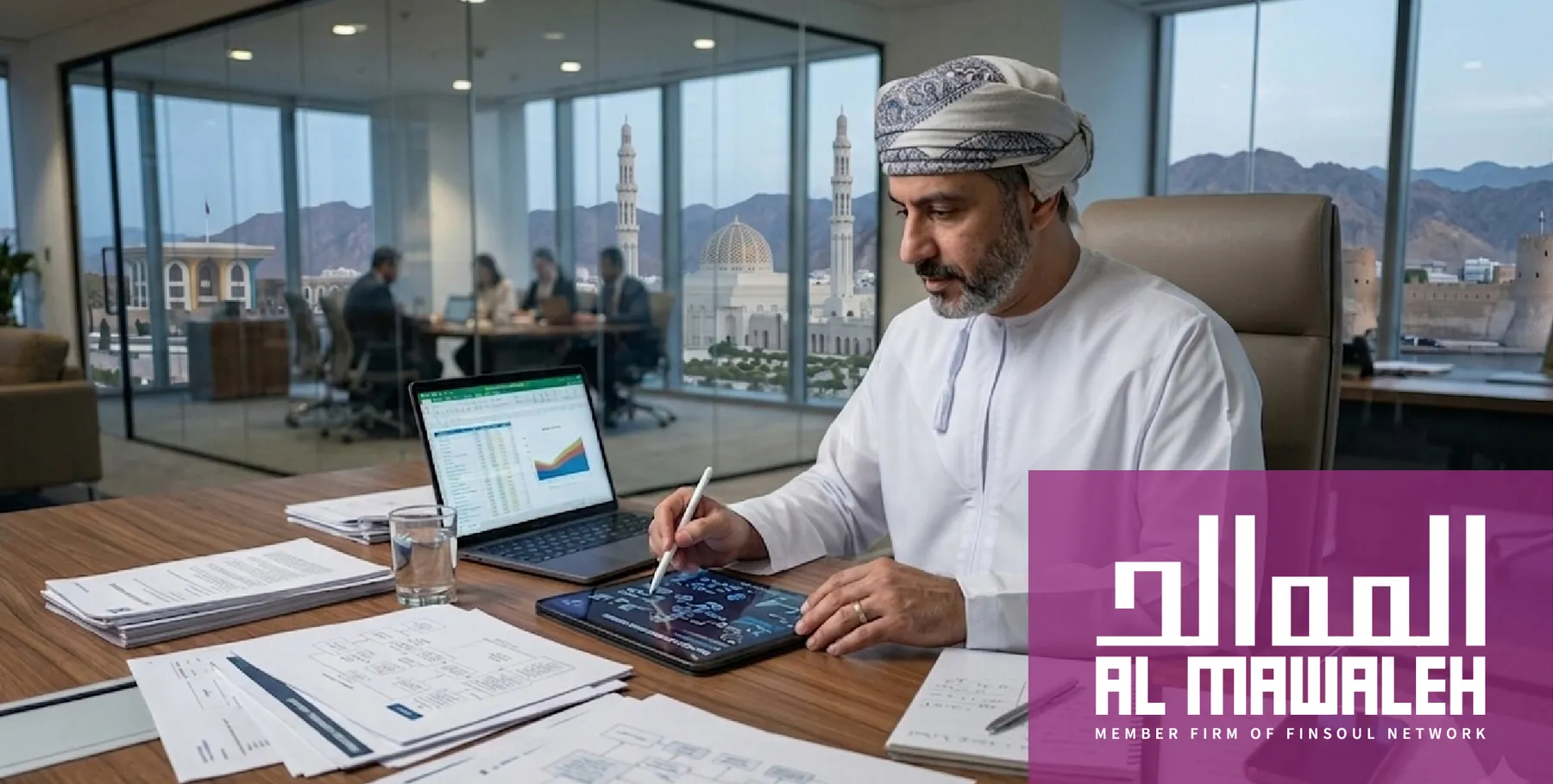
Fintech businesses frequently operate on thin margins during early growth phases while carrying significant regulatory capital obligations. Sound financial structuring ensures the business maintains the liquidity and capital buffers regulators require while still funding product development, marketing, and expansion. This includes building financial models that reflect realistic transaction volumes, fee structures, and cost bases specific to digital financial products.
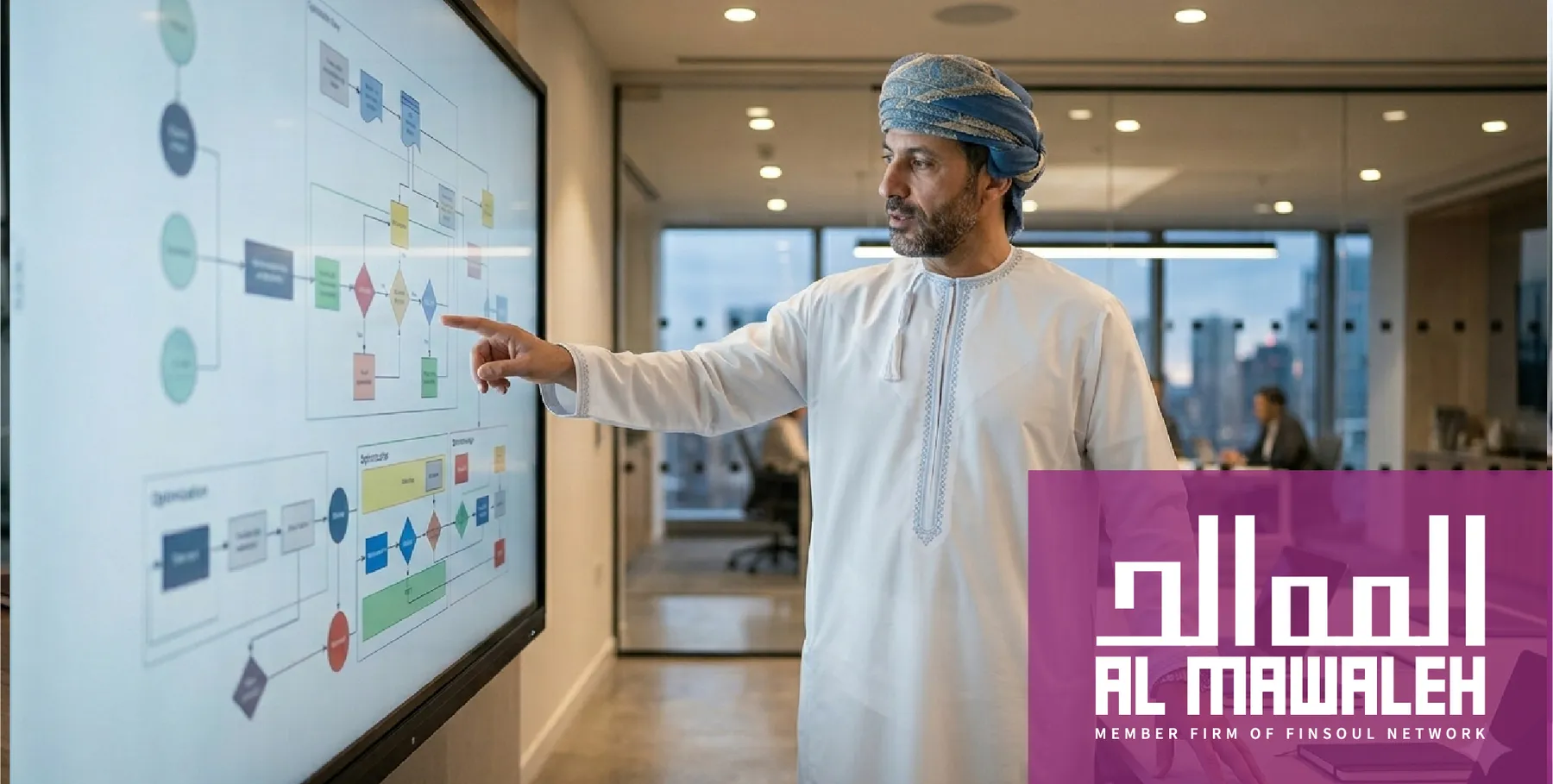
Digital financial products depend on processes that run reliably at scale, from customer onboarding and KYC checks to transaction monitoring and dispute resolution. Consultancy support helps design these processes so they meet regulatory expectations from day one, reducing the rework that often follows when processes built for a small pilot fail to handle growing transaction volumes.
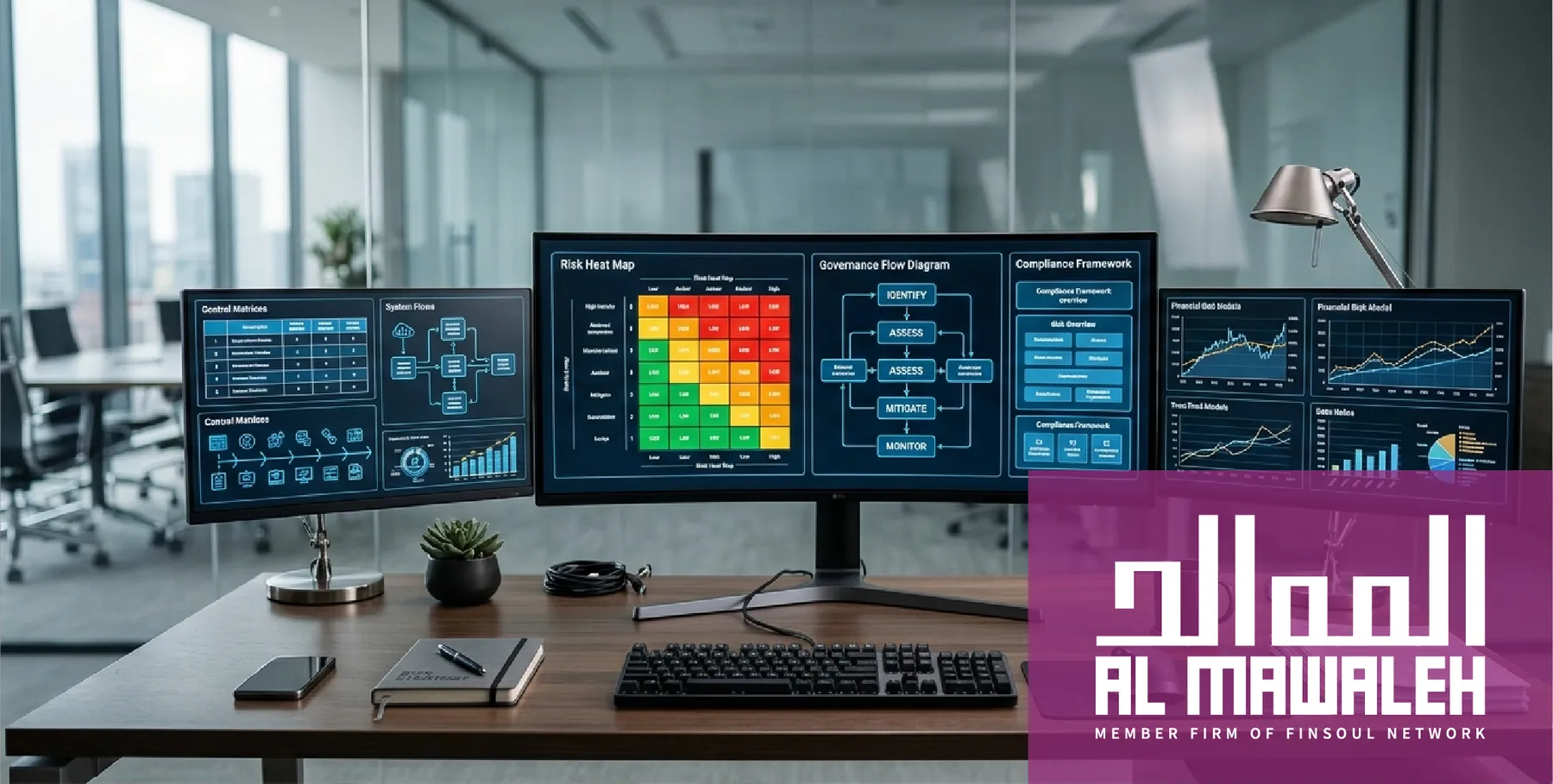
Fintech businesses face risks that differ significantly from traditional financial institutions, including platform downtime, cybersecurity threats, third-party payment rail dependencies, and rapidly shifting fraud patterns. A structured risk management framework identifies these exposures early and builds the monitoring and escalation processes needed to manage them as the business scales.
Many fintech businesses in Oman, particularly those operating in wealth-tech, robo-advisory, or digital asset platforms, sit directly at the boundary between technology and investment services. For these companies, investment management consultants bring a distinct value: they understand both the regulatory framework governing investment activities and the operational realities of running a digital platform.
Working with this kind of specialist support helps fintech businesses design product offerings that comply with investment advisory regulations while remaining commercially viable. This includes structuring fee models, defining suitability assessment processes for retail investors, and building the governance arrangements that regulators expect from any business offering investment-related products through a digital channel.
For fintech founders entering the wealth management space for the first time, this guidance reduces the risk of designing a product that looks attractive from a technology standpoint but creates regulatory friction once it reaches market, helping them launch investment-related products with confidence.
As Oman’s fintech sector matures, an increasing number of platforms are combining traditional investment management services with automated, technology-driven delivery. This shift requires a different kind of expertise than either pure technology consulting or traditional investment advisory work can offer on its own.
investment management technology consultancy support bridges this gap by helping fintech businesses design platforms where the underlying investment logic, whether that’s portfolio allocation rules, rebalancing triggers, or risk profiling algorithms, is built on a sound and auditable foundation. This matters because regulators increasingly expect technology-driven investment platforms to demonstrate that their automated decisions follow documented, defensible logic rather than opaque black-box processes.
It also covers the integration challenges that arise when fintech platforms connect to custodians, market data providers, and trading venues. Getting these integrations right the first time avoids the operational disruptions that can damage user trust and trigger regulatory scrutiny during a platform’s early growth phase.
For fintech businesses building hybrid human-and-automated advisory models, this type of consultancy support ensures the technology layer and the regulatory layer move forward together rather than one outpacing the other.
A structured engagement process ensures that consultancy support addresses the specific stage and needs of each fintech business, rather than applying a generic template that doesn’t reflect the realities of the Omani market.
The engagement begins with a detailed review of the fintech’s business model, target market, and current regulatory position. This assessment identifies which licences, approvals, or registrations apply to the specific products being offered, and highlights any gaps between current operations and regulatory expectations.
Based on the assessment, a tailored operating model is developed that aligns the company’s commercial goals with its regulatory obligations. This covers governance structure, reporting lines, internal control responsibilities, and the financial planning needed to support the business through its next growth phase.
Once the strategy and operating model are agreed, implementation focuses on putting the necessary processes, controls, and technology integrations in place. This stage often involves close coordination between the consultancy team and the fintech’s internal technology team to ensure new processes are reflected accurately in the platform itself.
Fintech businesses operate in an environment where regulations, market conditions, and technology standards continue to evolve. Ongoing advisory support helps leadership teams adapt their strategy as the business grows, whether that means expanding into new product lines, entering new markets, or preparing for an investment round.
Strong governance is what separates fintech businesses that scale sustainably from those that stall once regulatory scrutiny increases.
Governance frameworks define clear accountability for compliance, risk, and financial decisions at board and management level
Internal control documentation gives regulators and investors confidence that the business operates with discipline, not improvisation
Transaction monitoring systems are calibrated to the specific risk profile of the fintech’s product, rather than relying on generic templates
Data protection practices are built into product design from the outset, reducing the cost of retrofitting compliance later
Regular management reporting tracks key regulatory and financial metrics, giving leadership early warning of emerging issues
Documentation standards align with both Central Bank of Oman expectations and the due diligence requirements of potential investors or banking partners
Engaging the right consultancy partner delivers benefits that compound as a fintech business scales, particularly in a market where regulatory expectations and competitive pressure both continue to rise.
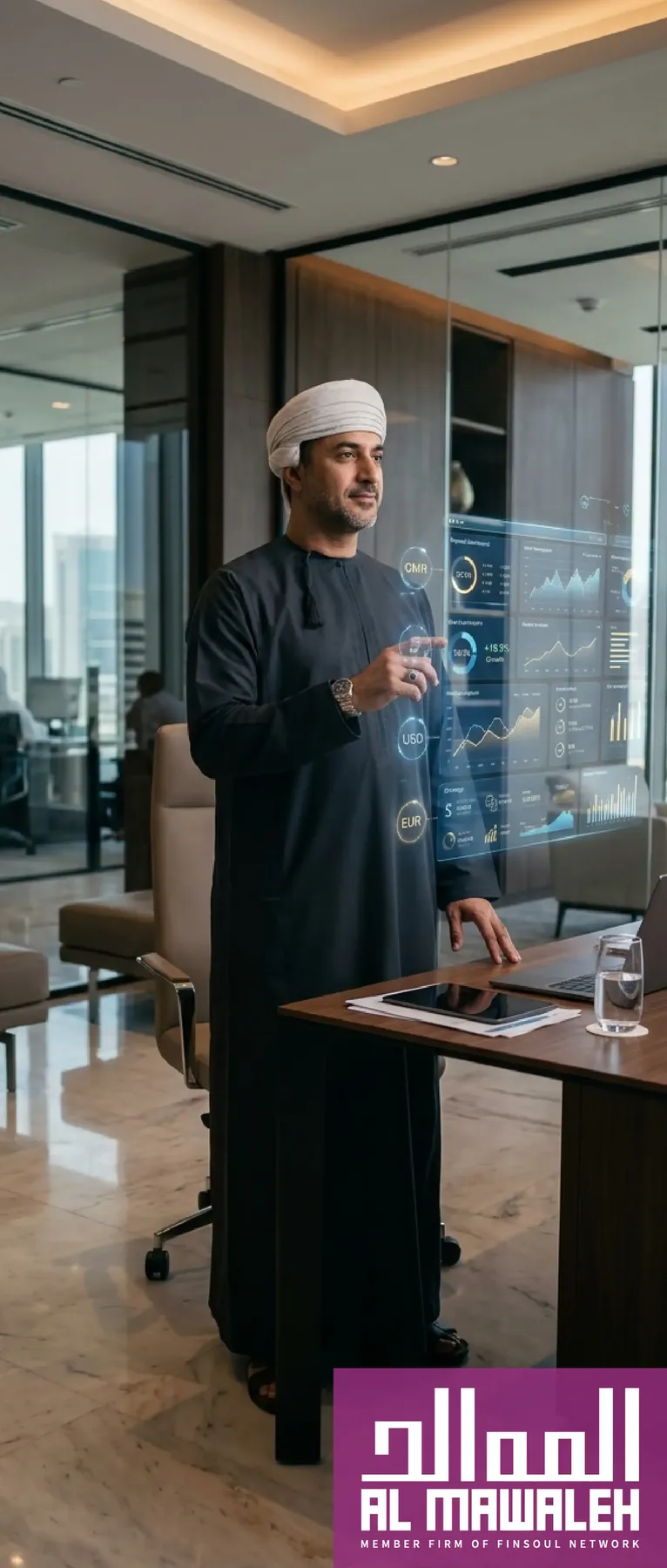
Specialist guidance helps founders prepare licence applications that anticipate regulator questions rather than reacting to them after submission. This reduces the back-and-forth that often extends licensing timelines and delays market entry.
Fintech businesses with documented governance, financial controls, and compliance frameworks are far more attractive to investors than those relying on informal processes. Management Consultancy for Fintech Industry guidance helps founders present their business in a way that withstands investor due diligence, supporting smoother funding rounds.
Building the right processes early avoids the disruptive overhauls that often hit fintech businesses once transaction volumes grow or regulators request changes. A structured engagement anticipates these growth-related pressure points before they become urgent.
Beyond compliance and operations, this kind of support gives leadership teams a clearer view of where the business is heading, helping them make better decisions about product expansion, partnerships, and market positioning.
Fintech businesses in Oman often encounter a recurring set of challenges as they move from early-stage operations toward a more established market position.
Oman's regulatory framework for fintech continues to develop as the sector grows, which means fintech businesses must stay alert to new guidance, sandbox programmes, and licensing categories. Ongoing advisory support helps businesses track these developments and adjust their compliance posture proactively rather than reactively.
Fintech founders often feel pressure to launch quickly to capture market share, which can tempt teams to treat compliance as an afterthought. The right guidance helps founders find a workable balance, building the minimum viable compliance framework needed to launch safely without delaying market entry unnecessarily.
Many early-stage fintech teams are strong on technology and product but lack in-house expertise in financial services regulation, internal audit, or risk management. Specialist consultancy support fills this gap during the critical early growth phase, while the business builds its own internal capabilities over time.
Fintech platforms typically rely on a network of third parties, including payment processors, cloud infrastructure providers, and data vendors. Each dependency introduces operational and regulatory risk that needs to be assessed and managed. A thorough engagement includes reviewing these third-party relationships to ensure they don't create unmanaged exposure for the business.
Fintech businesses sometimes overinvest in heavy compliance infrastructure too early, draining resources that could otherwise fund growth. Others underinvest and face a painful catch-up later. The right consultancy partner helps calibrate the right level of investment at each stage, avoiding both extremes.
Different types of fintech businesses face different priorities when it comes to consultancy support, and understanding these differences helps founders know what to expect from an engagement.
This consultancy brings practical, Oman-focused expertise to fintech businesses navigating a fast-changing regulatory and competitive landscape.
Deep familiarity with the Central Bank of Oman and Capital Market Authority frameworks that govern fintech licensing, operations, and reporting
Combined expertise across financial structuring, regulatory strategy, and technology integration, avoiding the gaps that arise from working with siloed advisors
Practical experience supporting wealth-tech and digital advisory platforms entering the Omani market, including suitability and product governance design
Specialist technology integration capability for fintech businesses building automated or hybrid investment products
Scalable engagement models suited to early-stage startups as well as established fintech businesses preparing for expansion or investment rounds.
A track record of helping fintech founders move from concept to licensed, operating business without unnecessary delays
Ongoing advisory relationships that evolve alongside the business as products, regulations, and market conditions change
Note: The above-mentioned services are provided via network firms if not provided directly.

A digital lending startup preparing to launch in Oman had built a functional platform but lacked the regulatory documentation, credit risk framework, and governance structure needed to apply for the relevant licence. The founding team had strong technical skills but no prior experience navigating Central Bank of Oman requirements, and an investor was awaiting confirmation of regulatory progress before finalising a funding commitment.
Al Mawaleh conducted a full review of the platform’s lending model and mapped it against applicable regulatory requirements, identifying the documentation and governance structures needed before licence application. A credit risk framework was developed that reflected the platform’s target customer base while meeting responsible lending expectations. Governance arrangements, including board oversight responsibilities and internal control documentation, were built out to match regulator expectations, and the founding team received guidance on presenting their progress to investors.
The startup submitted a licence application that addressed regulator questions proactively, significantly reducing the back-and-forth typically seen in first-time applications. The investor’s due diligence concerns were resolved through the documentation prepared during the engagement, and the funding round proceeded on schedule. The business has continued to refine its risk framework as transaction volumes have grown, using the original structure as a foundation rather than starting from scratch.
Fintech businesses in Oman that invest in structured Management Consultancy for Fintech Industry support build a foundation that supports faster licensing, stronger investor relationships, and more sustainable growth. Al Mawaleh provides the specialist guidance fintech founders and leadership teams need to navigate Oman’s regulatory environment while building products that compete effectively in the digital economy.
It typically includes regulatory strategy and licensing support, financial structuring and capital planning, operational process design, and risk management framework development, tailored to the specific fintech business model and its stage of growth.
Timelines vary significantly depending on the type of licence, the complexity of the business model, and how prepared the documentation is at the point of application. Businesses that engage consultancy support early in the process generally experience fewer delays caused by incomplete submissions.
Only fintech businesses offering investment-related products, such as robo-advisory platforms, digital wealth management tools, or automated portfolio services, typically need this kind of specialist support. Payment and lending platforms generally have different regulatory priorities.
General fintech consultancy covers the full range of operational, financial, and regulatory needs across any fintech business model. The technology-focused variant addresses platforms that combine investment management activities with automated or technology-driven delivery, covering the governance and product design issues unique to that combination.
Yes. Many fintech businesses engage consultancy support after launch to address gaps identified through regulatory feedback, investor due diligence, or growth-related operational pressure, with ongoing advisory support as businesses evolve through these stages.

Al Mawaleh is a leading financial consultant company in Oman, delivering expert accounting services, professional auditors, and trusted financial solutions advisor support for businesses through top financial consulting firms expertise.
